


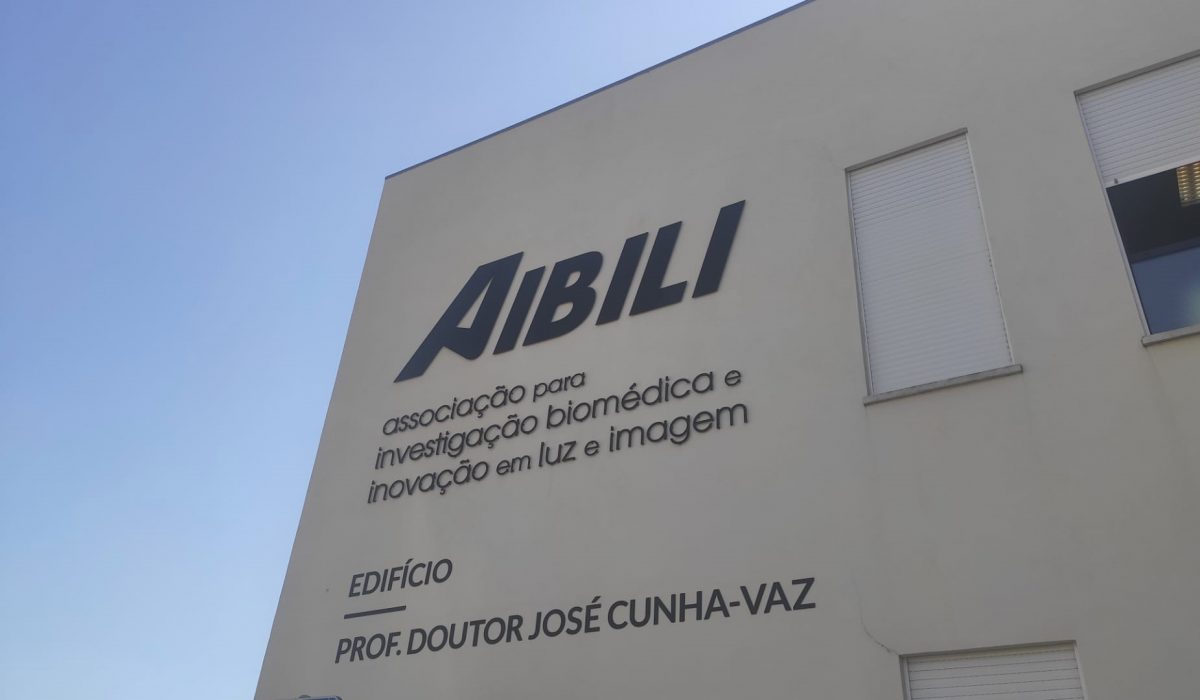
AIBILI’s building has now the name of our Honorary President Prof. José Cunha-Vaz
Category: Uncategorized
AIBILI new governing bodies composition

The AIBILI General Assembly met on June 16, 2020, and approved new governing bodies composition as below:
General Assembly:
Coimbra University – Luís Simões da Silva
SUCH – Serviço de Utilização Comum dos Hospitais – Abraão da Silva Ribeiro
Carlos Fontes Ribeiro
Board of Directors:
Conceição Lobo, President
Francisco Batel Marques, Vice-President
BIAL – Portela & Cª, S.A. – Nuno Pires
Fundação Champalimaud – António Parreira
Laboratórios Edol, Produtos Farmacêuticos, SA – Gonçalo Pimpão
Serviço de Dermatologia do Centro Hospitalar e Universitário de Coimbra – Américo Figueiredo
Cecília Martinho – CEO
Fiscal Council:
FLAD – Fundação Luso-Americana para o Desenvolvimento – Elsa Henriques
Caiano Pereira, Ana Santos, Sousa Góis & Associados, SROC, Lda – Luís Caiano Pereira
Instituto de Biofísica da FMUC – Filomena Botelho
This General Assembly also approved the attribution of the title of Honorary President to Prof. José Cunha-Vaz taking into account the dedication in the creation and development of AIBILI, whose Presidency of the Board of Directors he assumed for 30 years.
Webinar em Boas Práticas Clínicas

Don’t miss the opportunity to participate in the Workshop dedicated to Good Clinical Practices, organized by CUF Academic and Research Medical Center and AIBILI-Association for Innovation and Biomedical Research on Light and Image. Registration here free of charge.
A CUF e a AIBILI organizam este webinar que pretende proporcionar aos participantes de áreas distintas e com interesse em investigação clínica, a possibilidade de poderem compreender os princípios básicos das Boas Práticas Clínicas bem como o enquadramento ético e legal da investigação clínica que visam garantir a segurança dos participantes, a integridade e a validade dos dados. Adicionalmente este webinar contará com as perspetivas dos diferentes atores na investigação clínica: promotor, centro de ensaio e CRO.
Registo de participação gratuita aqui.
Alerta de Segurança – Hidroxicloroquina: risco de reações adversas cardíacas em doentes com COVID-19

Alerta de Segurança – Hidroxicloroquina: risco de reações adversas cardíacas em doentes com COVID-19
A hidroxicloroquina está a ser estudada no tratamento de doentes com COVID-19. Os resultados de estudos preliminares sugerem um aumento do risco cardíaco. Solicita-se a notificação imediata ao Sistema Nacional de Farmacovigilância de todos os casos de suspeita de reação adversa cardíaca associada à utilização de hidroxicloroquina em doentes com COVID-19.
Consulte: Alerta de Segurança – Hidroxicloroquina
FARMACOVIGILÂNCIA: Atualizações de segurança de medicamentos; Vol. 7, Nº 1 – 1º Trimestre 2020

Nesta edição do boletim “FARMACOVIGILÂNCIA: Atualizações de segurança de medicamentos” destaca-se a evidência acerca da utilização de hidroxicloroquina no tratamento de doentes com COVID-19 e potencial associação a um risco acrescido de reações adversas cardíacas. Informa-se também acerca de várias questões relacionadas com a segurança de baricitinib (Olumiant▼), implante contracetivo de etonogestrel (Implanon NXT®), ondansetrom e mecassermina (Increlex▼). São divulgados alertas de segurança referentes a ciproterona, à utilização combinada de flourouracilo, capecitabina, tegafur e flucitosina e ao acetato de ulipristal (Esmya®). São ainda apresentados os resultados da atividade da Unidade de Farmacovigilância de Coimbra (UFC) no primeiro trimestre de 2020.
Consulte: Farmacovigilancia – Atualizações de segurança de medicamento Vol. 7 – N 1
AIBILI 2019 report
The AIBILI 2019 report is now available. Please donwload it here.
CORONAVÍRUS
We would like to inform you that due to the containment measures for the Coronavirus outbreak the normal activity of AIBILI could be affected. However a contingence plan is already in place allowing our collaborators to work from home.
AIBILI apologises in advance for any inconvenience this may cause. We appreciate your understanding and hope we will all overcome this exceptional situation rapidly.
Prof. Francisco Batel Marques coordena Livro Branco das Doenças Raras

O Livro Branco das Doenças Raras é o resultado de um esforço conjunto do Grupo de Trabalho das Doenças Raras da P-BIO e do Centro de Avaliação de Tecnologias de Saúde e Investigação do Medicamento da AIBILI contando com a participação de quinze especialistas. O documento foi coordenado pelo Prof. Doutor Francisco Batel Marques, bem como pelo Dr. Joaquim Marques, coordenador do Grupo de Trabalho das Doenças Raras da P-BIO. O documento teve como objetivo inicial ser “uma compilação isenta, objetiva e técnico-cientificamente bem fundamentada sobre o panorama do diagnóstico, tratamento e investigação das doenças raras em Portugal”, começa por dizer o Prof. Doutor Francisco Batel Marques. Veja aqui o vídeo com a entrevista realizada pela NewsFarma ao Prof. Doutor Francisco Batel Marques.
AIBILI e ESEnfC celebram acordo de colaboração
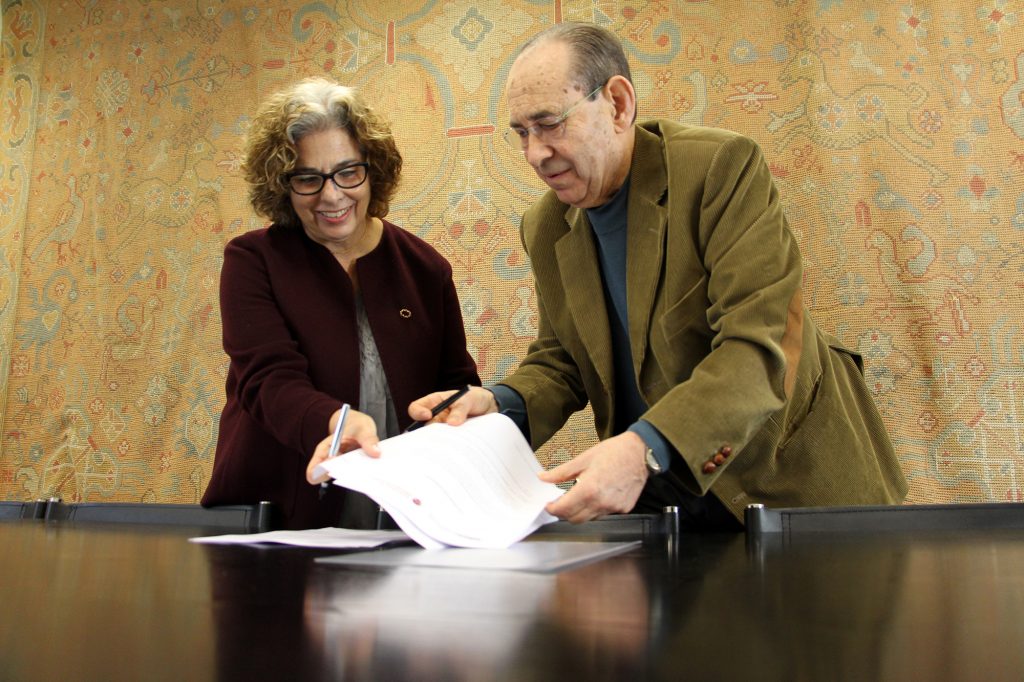
A AIBILI e a ESEnfC assinaram um acordo de parceria para o desenvolvimento de atividades de investigação clínica destas duas instituições da cidade de Coimbra. Encontram, aqui, o comunicado de imprensa.
FARMACOVIGILÂNCIA: Atualizações de segurança de medicamentos; Vol. 6, Nº 4 – 4º Trimestre 2019
Nesta edição do boletim “FARMACOVIGILÂNCIA: Atualizações de segurança de medicamentos” informa-se acerca de várias questões relacionadas com a segurança de domperidona, nivolumab, carfilzomib, mebutato de ingenol, prescrição de fármacos na insuficiência renal, alemtuzumab, tofacitinib e haloperidol. São ainda apresentadas as atividades científicas e os resultados das atividades da Unidade de Farmacovigilância de Coimbra (UFC), referentes ao quarto trimestre de 2019.
Farmacovigilância: Atualizações de segurança de medicamentos – Vol. 6, Nº 4 – 4º Trimestre .
Consulte: Farmacovigilancia – Atualizações de segurança de medicamento Vol. 6 – N 4
CUF e AIBILI celebram parceria na investigação clínica
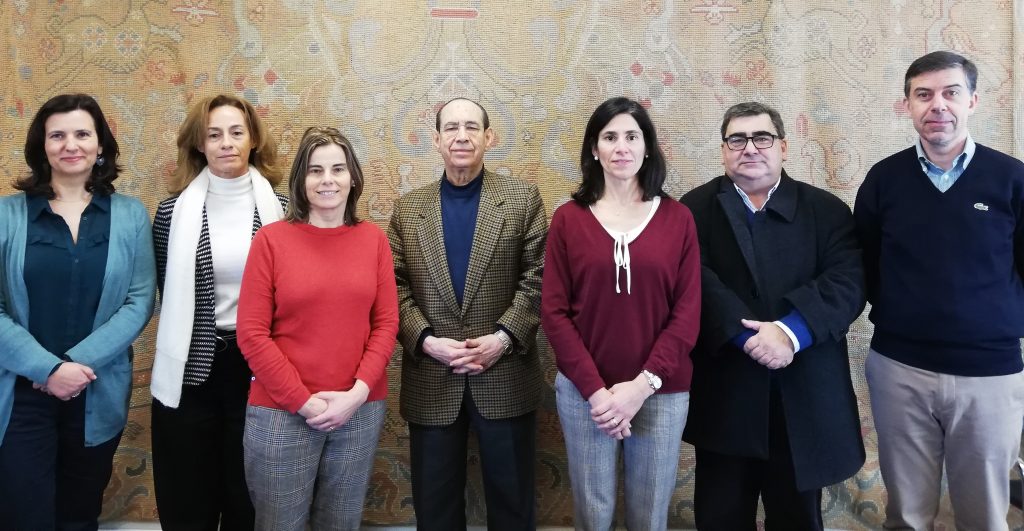
A CUF e a AIBILI estabeleceram uma parceria para o desenvolvimento de investigação clínica que irá permitir reforçar as competências de ambas as instituições e unir esforços para a concretização de projetos relevantes, nomeadamente na área da Oftalmologia. Encontram, aqui, o comunicado de imprensa.
JOB OPPORTUNITY | Researcher on Economic Evaluation of Health Technologies
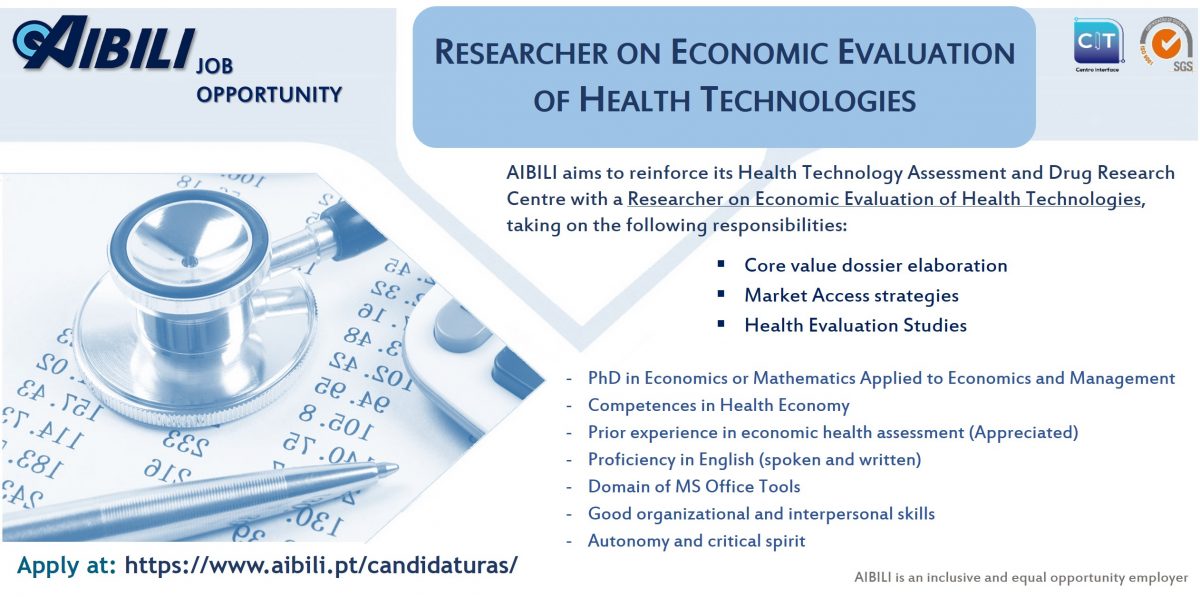
AIBILI aims to reinforce its Health Technology Assessment and Drug Research Centre with a Researcher on Economic Evaluation of Health Technologies
Applications here: https://www.aibili.pt/candidaturas/
Promoting Portugal as a reference in Clinical Research in Europe
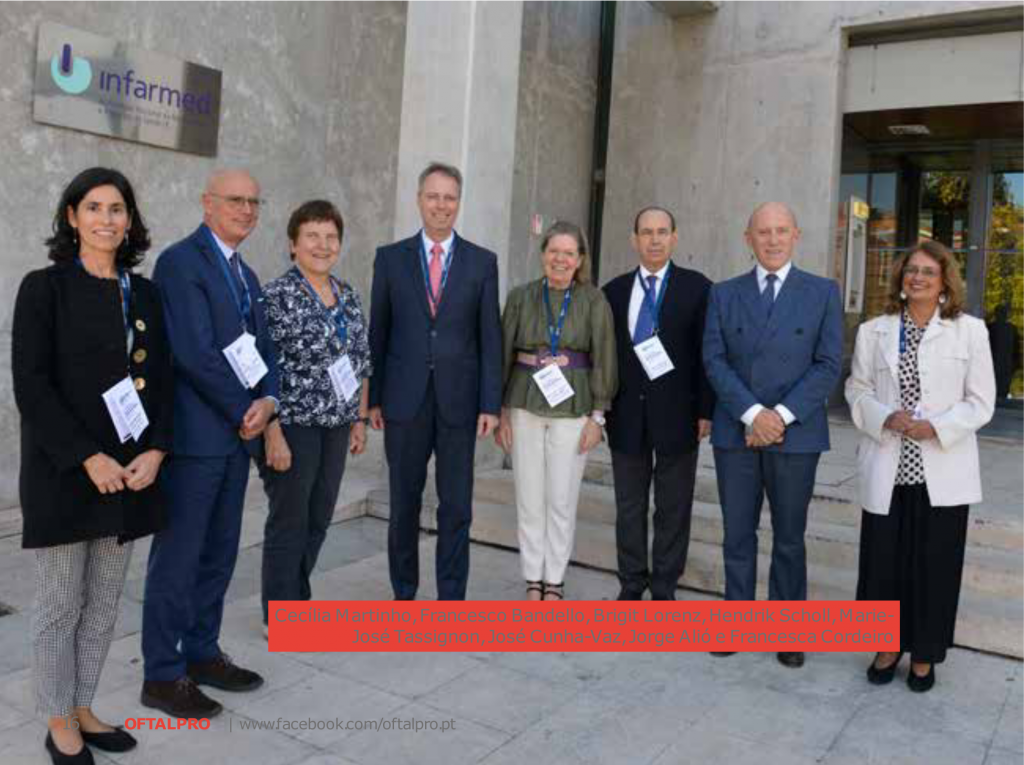
Read here the interview to Dr Cecilia Martinho on OFTALPRO, where she talks about the importance of EVICR.net and how it promotes Portugal as a reference in Clinical Research in Ophthalmology.
Ophthalmic Research Issue in Honour of Prof. José Cunha-Vaz
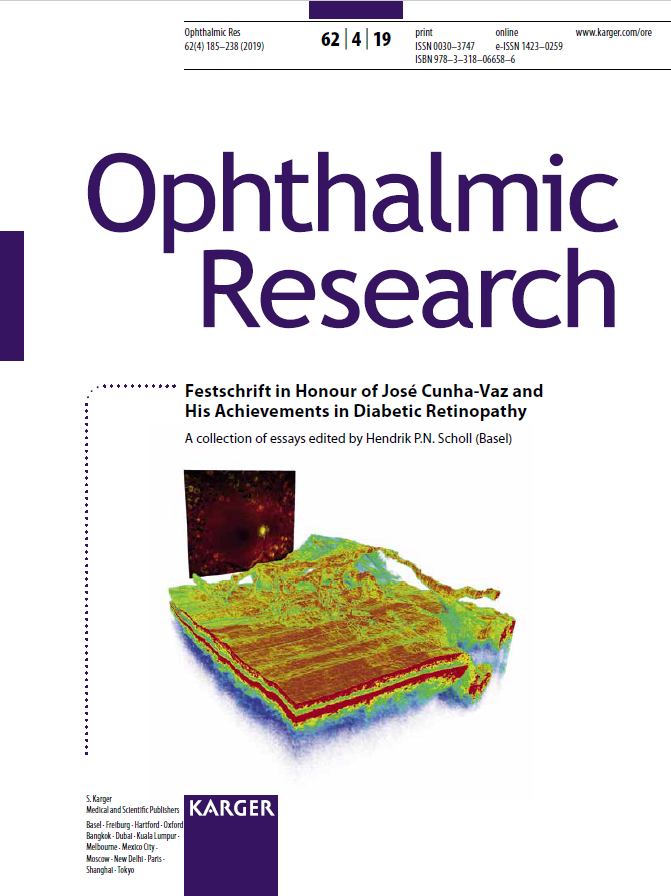
The journal Ophthalmic Research has just published a commemorative issue in Honour of Professor José Cunha-Vaz and his achievements in Diabetic Retinopathy, and ground-breaking contribution to basic science and clinical research on vascular retinal disease.
It is a special issue that includes a collection of essays authored by eminent scientists on diabetic retinopathy (DR) and diabetic macular edema (DME). Topics include the gold standard of grading DR by the Early Treatment of Diabetic Retinopathy Study (ETDRS) group, the pathophysiology of DR, the characterization of the initial stages of DME, DR within the spectrum of diabetic complications, screening approaches for DR, contributions of the Diabetic Retinopathy Clinical Research Network (DRCR.net) to the treatment of DR, and the role of steroids for treating DME.
Prof. Cunha-Vaz is Emeritus Professor of Ophthalmology of the Coimbra University, Portugal, and President of AIBILI. He was the ninth Editor-in-Chief of Ophthalmic Research and is now Honorary Editor. He is also the Diabetic Retinopathy and Vascular Diseases Expert Committee Coordinator of the EVICR.net.
His work includes laboratory and clinical research in retina and intraocular fluids with a special emphasis on blood-retinal barriers and DR. He was the first to identify the anatomical basis of the blood-retinal barrier, tight junctions in retinal vessels and an active transport system in retinal vessels and retinal pigment epithelium. Later, he introduced the concept of multimodal macula mapping and identified different phenotypes of non-proliferative DR in type 2 diabetes. Prof. Cunha-Vaz and his group identified microaneurysm turnover as a biomarker for DR progression towards clinically significant DME. Recently, he has played a pivotal role in the development of OCT leakage as a new method to identify and locate abnormal fluid accumulation in diabetic retinal edema.
With more than 500 peer-reviewed papers and books in is curriculum, the merit of Prof. Cunha-Vaz is recognized worldwide and unquestionable. For AIBILI it is also an honour to see his work being acknowledge by his peers.
To access this issue click here
1st Meeting of the Drug Safety and Effectiveness Network
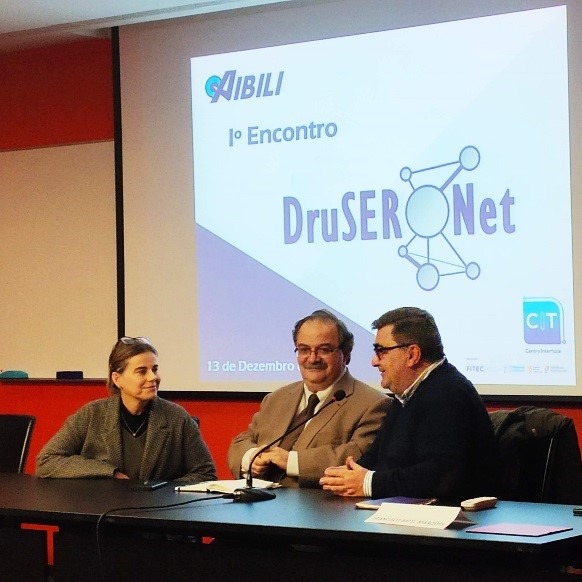
The 1st Meeting of the Drug Safety and Effectiveness Network (DruSER.net) took place on December 13, 2019.
It was an important event to present this network coordinated by CHAD-AIBILI and the relevant work that is being made in the field of drug safety, effectiveness, real-world data and pharmacovigilance.
The evented counted with more than 75 participants, including students, representative of primary health care units and pharmacovigilance units, also from entities with high impact in the field, as the National Pharmacies Association and INFARMED.
AIBILI wishes you a joyous Holiday Season and a prosperous New Year!

AIBILI wishes you a joyous Holiday Season and a prosperous New Year!
Workshop on “Drug Safety and Effectiveness Research Network”
The Centre for Health Technology Assessment and Drug Research of AIBILI will organize on December 13, 2019 the first meeting of the Drug Safety and Effectiveness Research Network. Please check here the programme and how to register.
Programa: AIBILI Workshop DruSER.Net
EATRIS – European Infrastructure for translational Medicine, National Hub Kick off Meeting, at INFARMED, Lisbon.
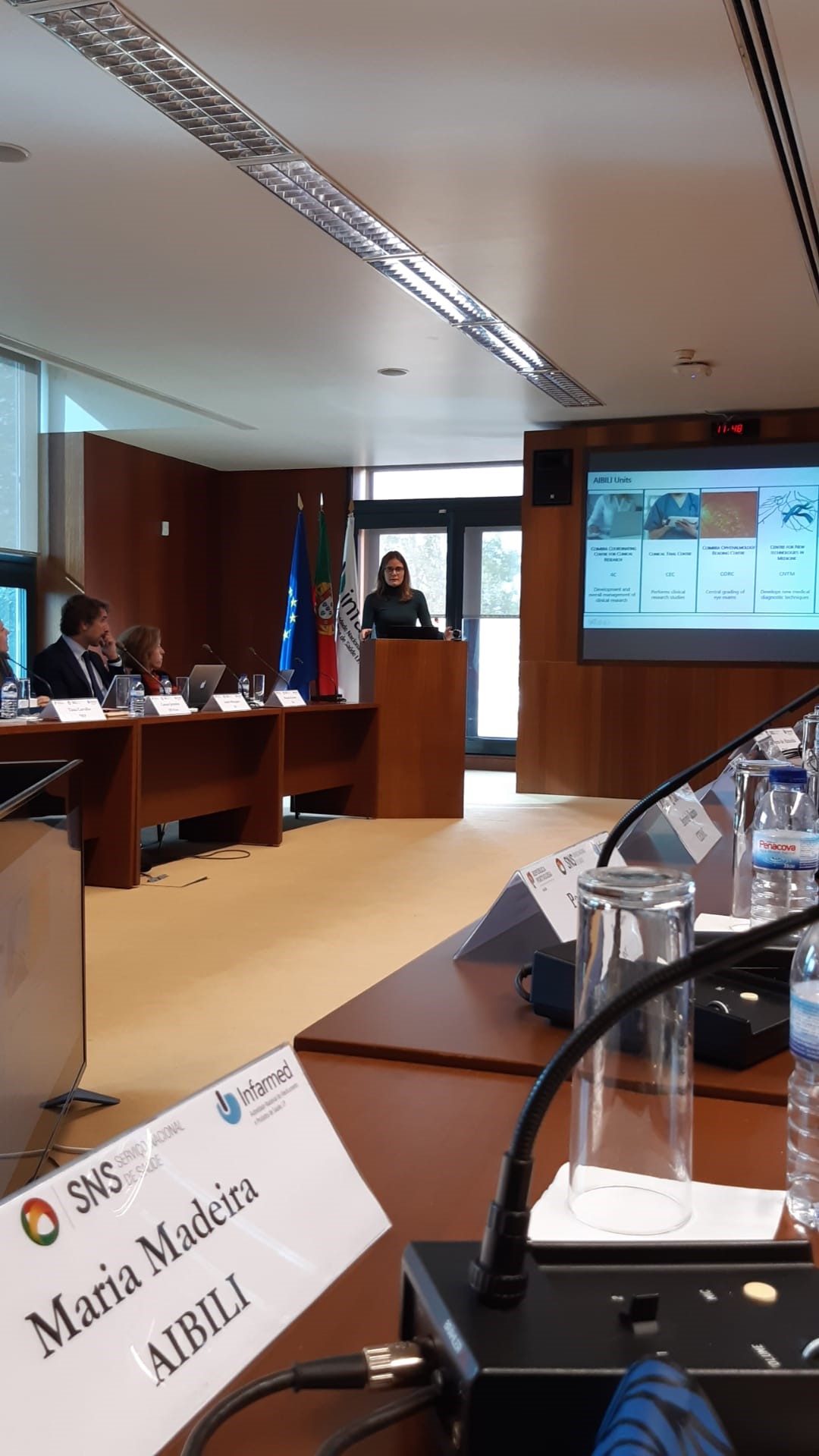
AIBILI was present at the EATRIS – European Infrastructure for translational Medicine, National Hub Kick off Meeting, at INFARMED, Lisbon.
In this meeting, which counted with the presence of EATRIS international representatives and EATRIS-integrating Portuguese institutes, AIBILI presented it capacities, technologies and infrastructures that were fundamental to be part of this European Network.
To learn more about EATRIS, visit the network website https://eatris.eu/
FARMACOVIGILÂNCIA:: Atualizações de segurança de medicamentos; Vol. 6, Nº 3 – 3º Trimestre 2019
Nesta edição do boletim “FARMACOVIGILÂNCIA: Atualizações de segurança de medicamentos” informa-se acerca de várias questões relacionadas com a segurança de metotrexato, fingolimod, montelucaste, terapia hormonal de substituição, febuxostate, tocilizumab, lisados bacterianos e paclitaxel e sobre a retirada do mercado de lotes de Goserrelina Teva®. São ainda apresentadas as atividades científicas e os resultados das atividades da Unidade de Farmacovigilância de Coimbra (UFC), referentes ao terceiro trimestre de 2019.
Farmacovigilância: Atualizações de segurança de medicamentos – Vol. 6, Nº 3 – 3º Trimestre . Consulte: Farmacovigilância – Atualizações de segurança de medicamentos Vol 6N 3
RetmarkerAMD® validation: published in the Eye newspaper, a Springer Nature group and official publication of the UK College of Ophthalmologists.
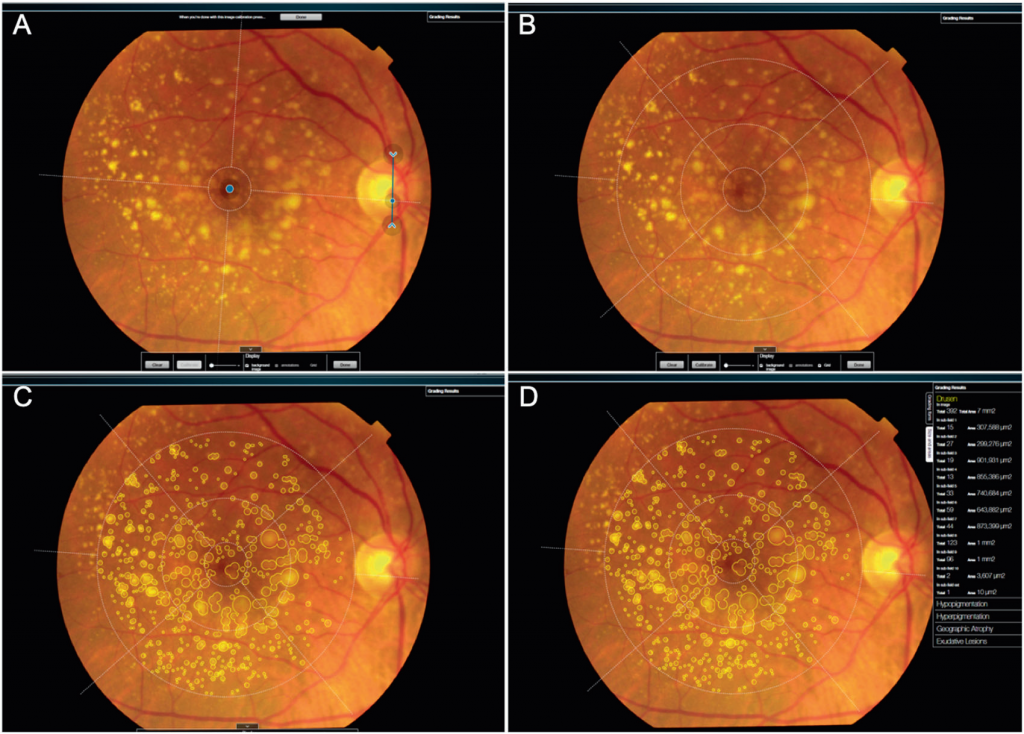
We are pleased to announce our latest publication on RetmarkerAMD® validation, published in the Eye newspaper, a Springer Nature group and official publication of the UK College of Ophthalmologists.
By conducting a carefully planned multicentre, cross-sectional study, we were able to demonstrate that RetmarkerAMD® is a reliable and consistent semiautomated classification tool for Age-related Macular Degeneration, which may be used both in clinical studies and in clinical trials.
RetmarkerAMD® is a software developed by the Retmaker company in partnership with AIBILI that facilitates the marking and counting of Age-related Macular Degeneration (AMD) lesions. It was initially developed for the epidemiological Coimbra Eye Study and has since been used in several other studies.
Journal Reference:
https://www.nature.com/articles/s41433-019-0624-7

